The Persistence of Inequality: “Essential” Work and COVID-19
The debilitating and deadly impact of the COVID-19 pandemic has been felt in every community and country around the world, but it has not been experienced equally. Click on the images below to view the results of research carried out over the summer by researchers from the Rapoport Center at the University of Texas at Austin, Harvard University, and Northeastern Law School on each of the areas identified as a COVID-19 “hot-spot.”
 CONSTRUCTION WORKERS in THE AUSTIN, TEXAS REGION were declared essential workers during the pandemic. This report studies how state preemption of local law, federal immigration law, and lack of social provisioning have combined with regional urban growth policies to drive unequal health and economic consequences of COVID-19 for low-income Latinx construction workers.
 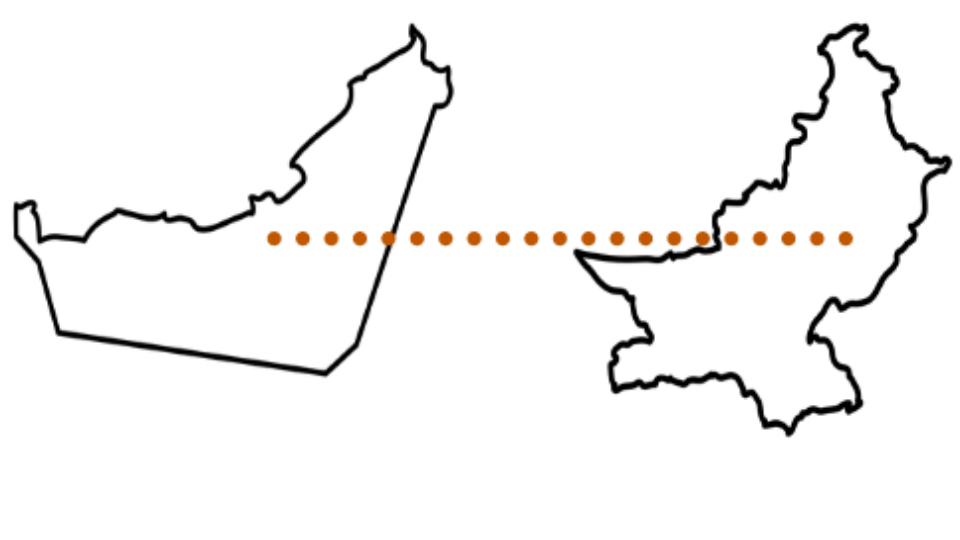 After COVID-19 hit the UNITED ARAB EMIRATES, thousands of migrant PAKISTANI CONSTRUCTION WORKERS scrambled to return to Pakistan, fleeing crowded labor camps where COVID-19 was rapidly spreading. Mass job losses, even in a sector designated as "essential" and little to no protection from employers has made this migration corridor a critical site to study the effects of the pandemic.
 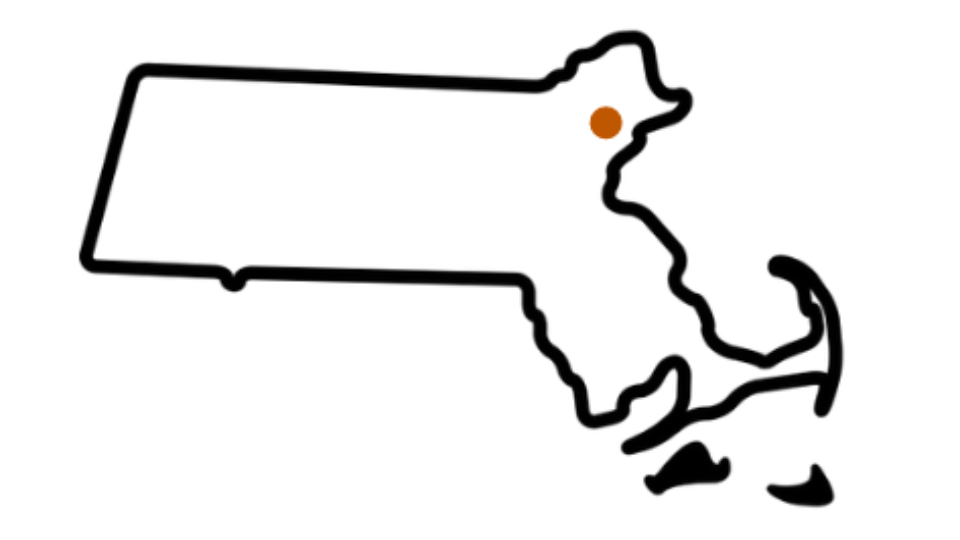 CARE WORKERS in CHELSEA MASSACHUSETTS, disproportionately women of color, provided vital services during the pandemic. Yet the families of care workers themselves were left without adequate care and protection, as families lacked access to daycare, school lunch programs, and housing protections - all the while caring for the the sick, young, and elderly across Massachusetts.
  MEATPACKING WORKERS in GAINSEVILLE, GEORGIA had to make difficult choices between their safety and their livelihoods as meatpacking plants stayed open or ramped up production through the pandemic. Inconsistent health regulations, preemption laws, and the dominating power of large corporations left workers at the base of the supply chain exposed during the pandemic.
 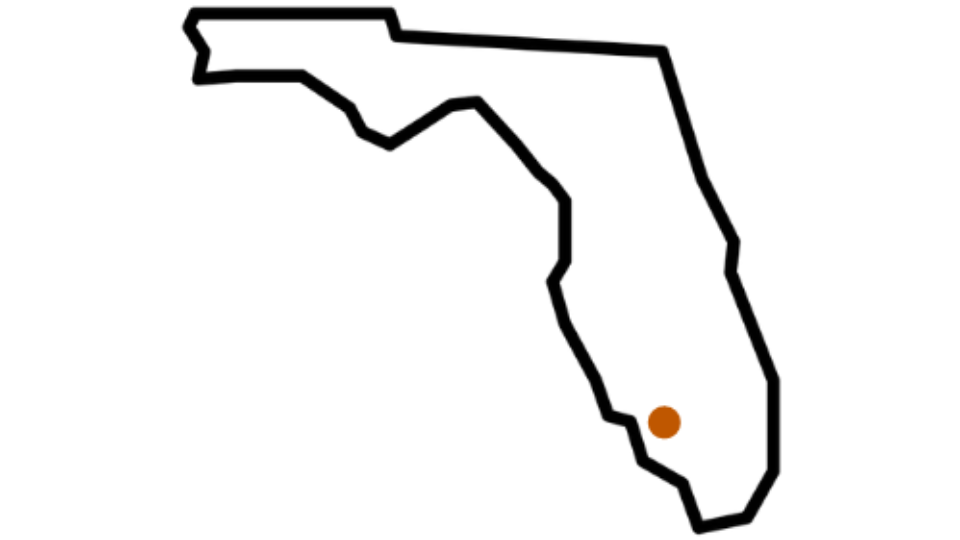 AGRICULTURAL WORKERS in IMMOKALEE, FLORIDA were called on to feed the nation during the pandemic, all the while exposed to the virus without access to adequate legal or medical protections. We investigate the legal and racialized labor regimes that created these structural conditions as key organizations attempt to advocate for worker rights and protections during the pandemic.