

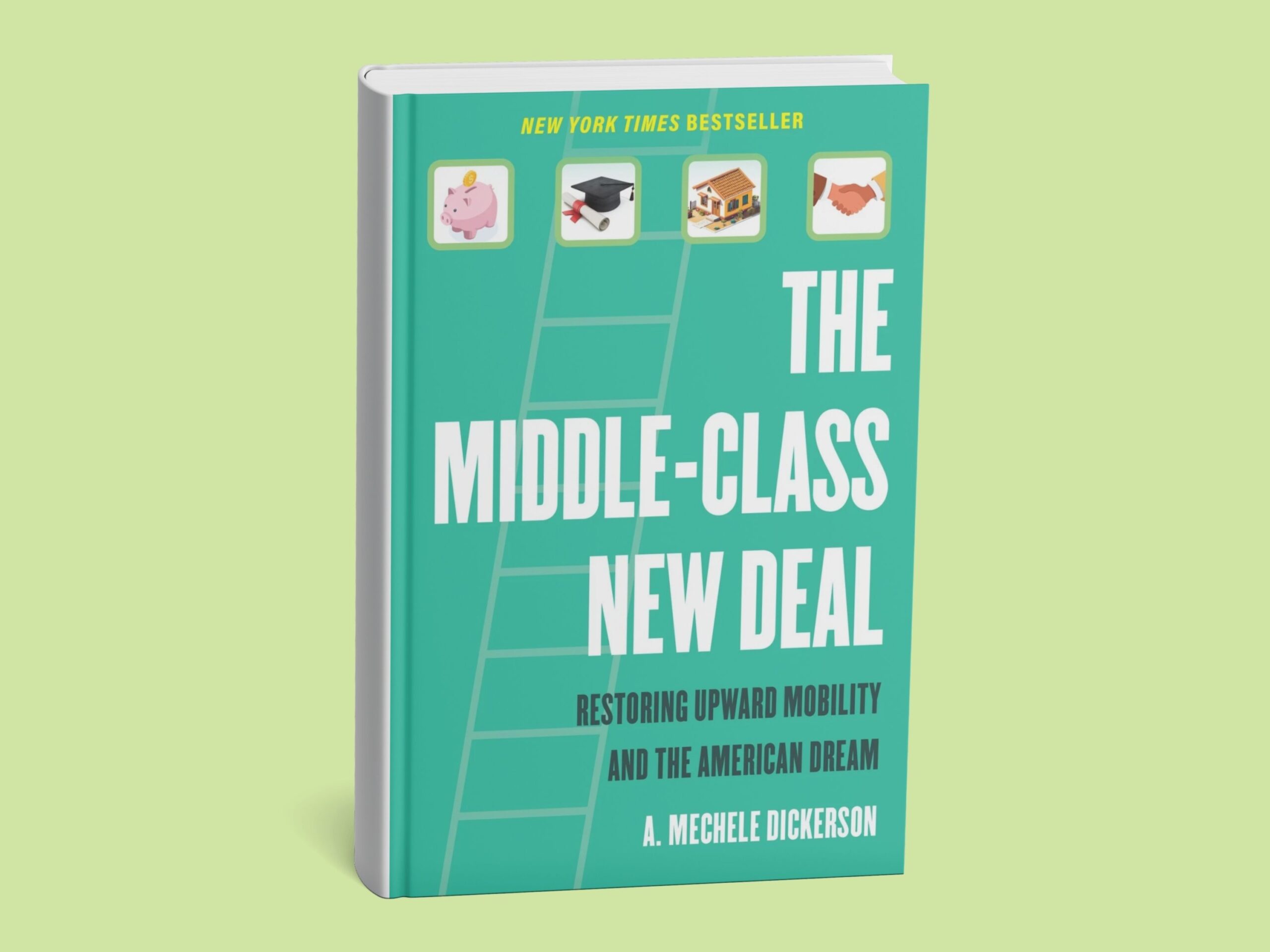
Professor A. Mechele Dickerson takes us on a journey into the middle class, why it’s struggling, and what it will take to fix it.
By Christopher Roberts
Photo by Brian Birzer
America’s middle class didn’t just happen. It was built.
That’s a core premise of Professor Mechele Dickerson’s new book, The Middle-Class New Deal, and it cuts against one of the most persistent assumptions in American economic life: that prosperity for all naturally emerges from free markets and argues instead that the American middle class was a deliberate political project, created in the 1930s and 1940s through New Deal policies and the G.I. Bill.
That argument isn’t merely historical or rhetorical. It’s a call to action to do more for the middle class of today—or what’s left of it.
Dickerson marshals an extensive body of data on homeownership rates, education, wages, and affordability to demonstrate how sharply the economic foundations of middle-class life have eroded. The data show that what many Americans experience as personal financial stress is in fact structural: a housing market that no longer produces affordable supply at scale, labor markets mired in stagnant wages, and regulations that shift risk from institutions to households.
But, Dickerson writes, if we created the middle class then, we could also rebuild it now if leaders have the political will. “We believed that having a financially stable middle class—neither rich nor poor—was in the economic and political interest of the country as a whole,” she says. “We still believe that, but we don’t back it up with policy.”
Published in January, the book has been an immediate hit with a broad, bipartisan range of political podcasters and news outlets. This March she was interviewed on “The Daily Show” and debuted at #5 on The New York Times bestseller list for paperback nonfiction. Dickerson welcomes the attention, but cares more about impact.
“What I really want is to share the facts with policymakers, the people who could really help the middle class,” she says. The book is grounded in history and law, but also in lived experience. Drawing on her parents’ careers as public school teachers in the segregated South, she illustrates how mid-century policies created affordable higher education, stable full-time employment with benefits, accessible homeownership, and the ability to save, all of which made long-term security possible even amid profound social inequality. The supports were imperfect and unevenly distributed, but they were real.
The middle class was a choice once. Dickerson asks whether it will be again.
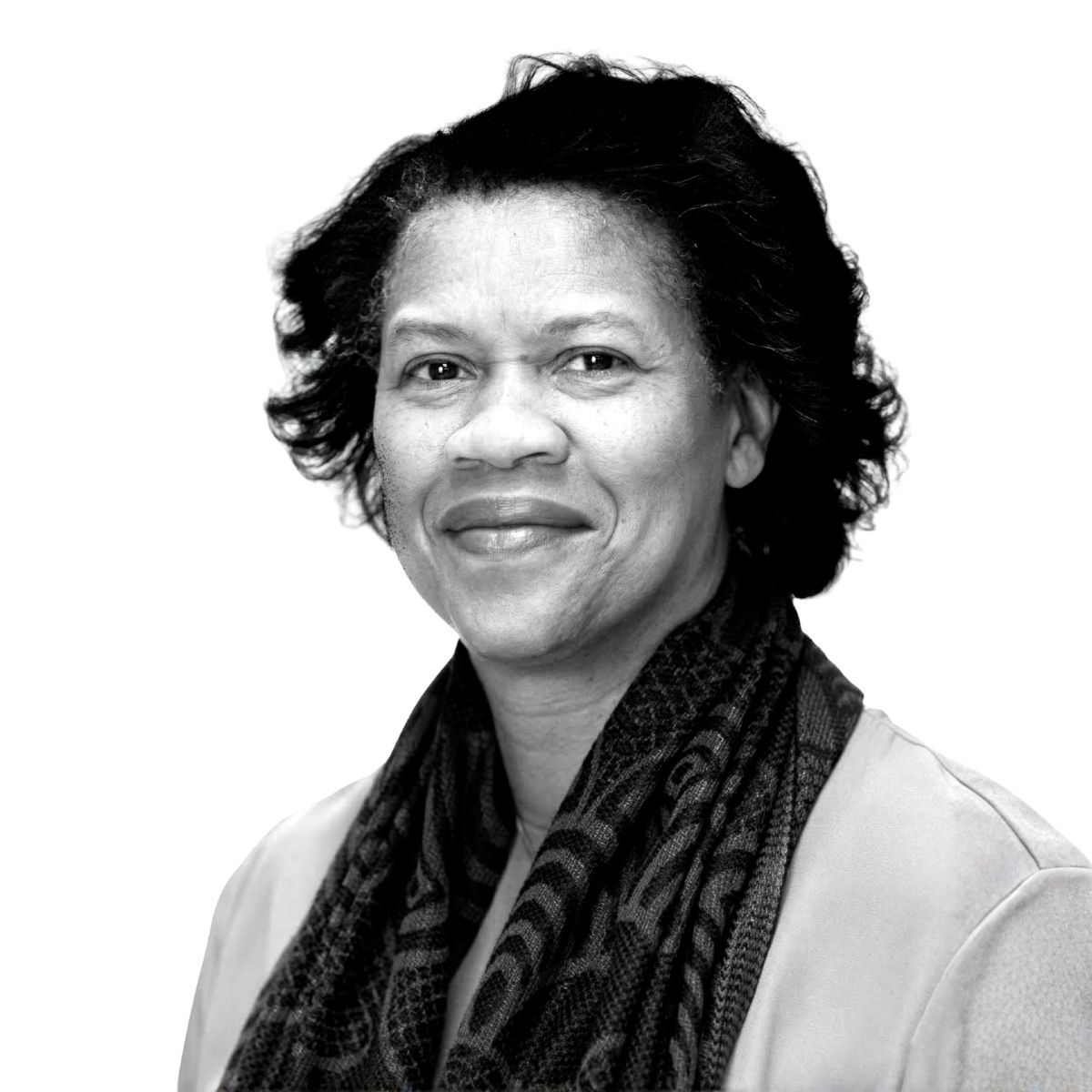
Professor Mechele Dickerson is the Arthur L. Moller Chair in Bankruptcy Law and Practice.