

When Amy Grace Humber ’26 and Shelby Alexander ’26 worked this year on behalf of their client in Texas Law’s Immigration Clinic, that work didn’t stop at producing briefs and gathering evidence and expert testimony. It also included making sure their client, a man held in an isolated detention center, felt a basic human connection and knew that he had some power to participate in decisions about his case.
That commitment to holistic representation for their client is one reason that Humber and Alexander shared Texas Law’s 2026 CLEA Outstanding Clinical Student Award this spring. The pair were nominated by clinical professors Denise Gilman and Elissa Steglich, co-directors of the Immigration Clinic, and Blase Kearney, a professor in the Criminal Defense Clinic. The award, from the Clinical Legal Education Association, recognizes graduating students who demonstrate excellence in clinical fieldwork and seminar work. For team awards, CLEA also recognizes effective collaboration among students.
The recognition reflects the clinic model of client-directed, holistic representation: legal work grounded not only in rigorous advocacy, but also in trust, dignity, and respect for the client’s voice. Humber and Alexander brought that approach to their work in the Immigration Clinic, as well as the Criminal Defense Clinic. According to their nomination, the pair “demonstrated resilience, creativity, and teamwork in overcoming systemic challenges, while fostering a supportive, community-centered environment among peers.”
Working under Gilman, the pair took on major responsibility in a high-stakes immigration detention case, developing legal arguments, gathering evidence, coordinating with expert witnesses, and representing their client in proceedings. Throughout the process, they ensured their client could participate in decisions about his case despite his isolation and detention.
“Classroom learning truly cannot match what it means to navigate the legal system in real time with someone who is incarcerated, or in immigration detention, or facing displacement,” says Alexander.
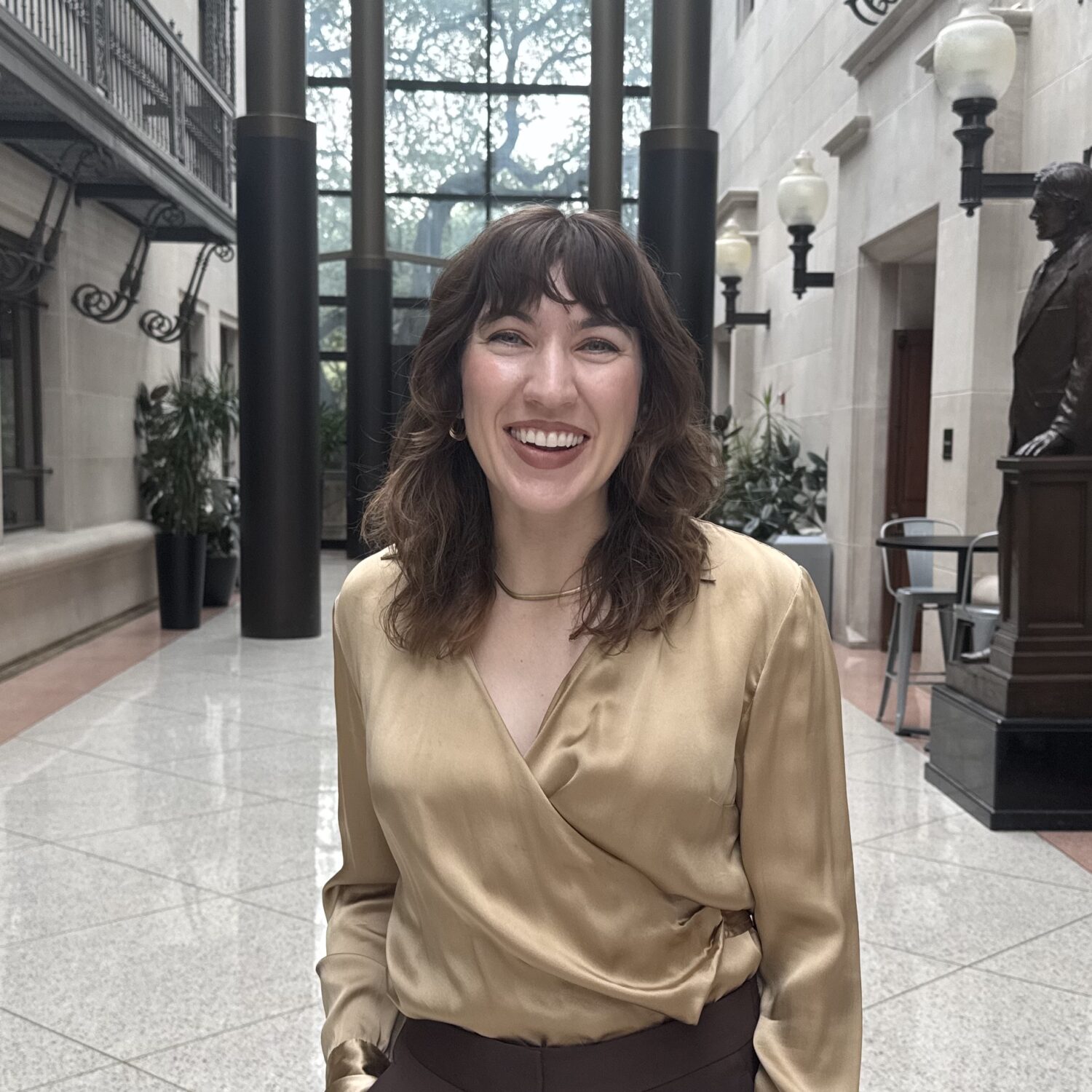
Classroom learning truly cannot match what it means to navigate the legal system in real time with someone who is incarcerated, or in immigration detention, or facing displacement.
Shelby Alexander ’26
“Amy Grace and Shelby displayed a commitment and practice of holistic representation worthy of recognition,” Gilman wrote in the pair’s nomination.
Kearney noted the same commitment from both awardees in their work in the Criminal Defense Clinic. Though Humber and Alexander worked separately on cases in the clinic, they regularly contributed to each other’s work, “help(ing) model the client-directed representation at the center of the (our) teaching and advocacy.
“In our clinic, the best learning environment and best representation for clients are linked,” says Kearney, adding that Humber and Alexander exemplified both.
Both will begin their legal careers as public defenders, Alexander in Colorado Springs, with the Colorado State Public Defender office, and Humber in Detroit, with the Neighborhood Defender Service.
Clinics taught me a lot about good lawyering and helped me forge wonderful friendships.
Amy Grace Humber ’26
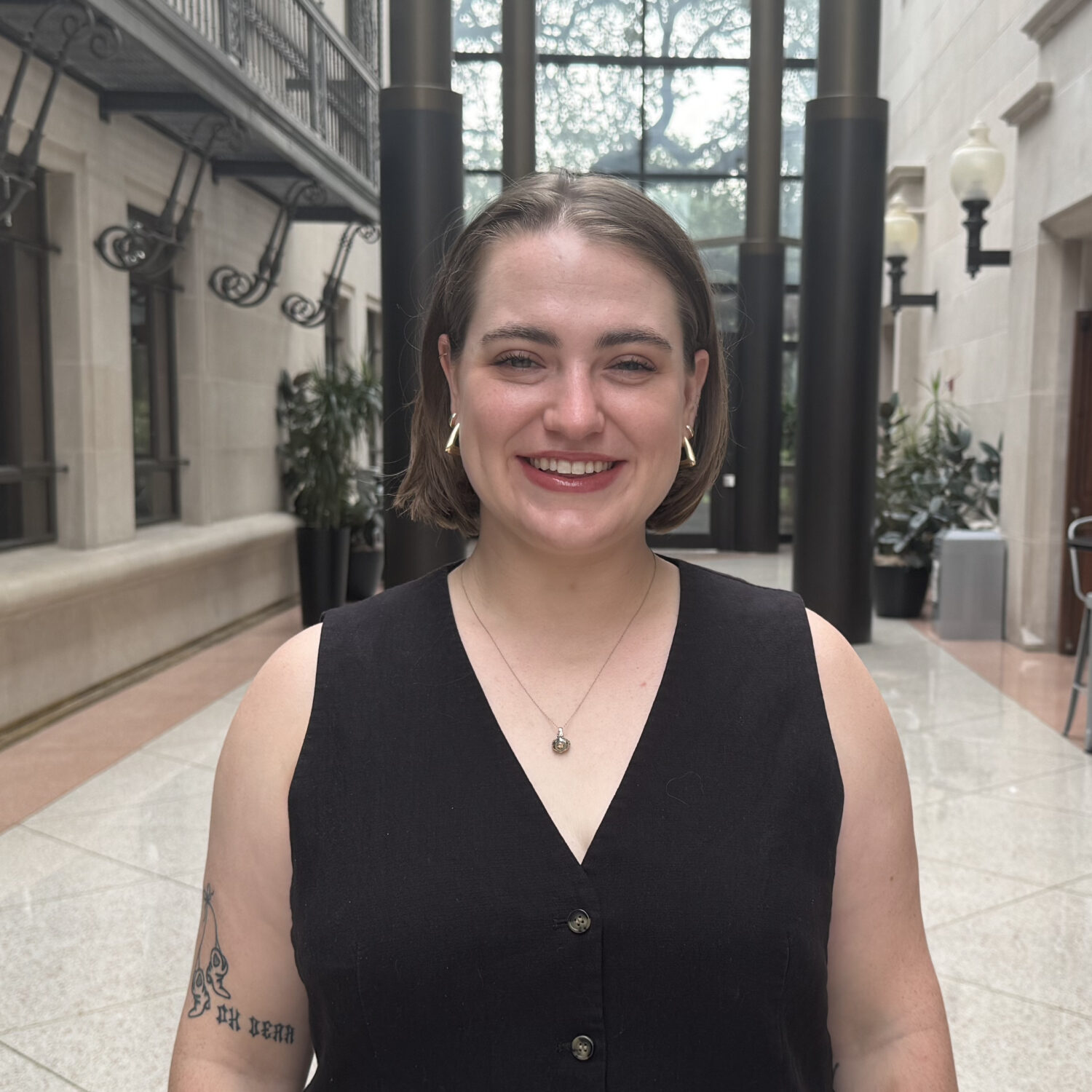
“There is no way I would otherwise be prepared to begin my career in public defense work without the experiential learning opportunities I had at Texas Law,” Alexander says. “I’m extremely grateful for our clinical faculty who prepare us to have the privilege of representing people through critical and challenging moments in their lives.”
Humber enthusiastically agrees. “Clinics taught me a lot about good lawyering and helped me forge wonderful friendships,” she says. “Thanks to the opportunities to learn from incredible faculty and my clinical experiences in law school, I am confident in my ability to represent my clients zealously.”