
Every Texas Law graduate carves their own path to a career in service of clients in need. For three members of the Class of 2029, that path is starting in the William Wayne Justice Center for Public Interest Law, the law school’s hub for students interested in a practice of law focused on fighting for individuals or causes with limited access to judicial systems or the resources to advocate for themselves.
These three new 1Ls—Ali Arwani, Karina A. Cavazos Gonzalez, and Luke Staffelbach—have each earned a coveted, prestigious full-tuition scholarship awarded by the Justice Center, and the distinction of being named the school’s Public Interest Scholars for the Class of 2029.
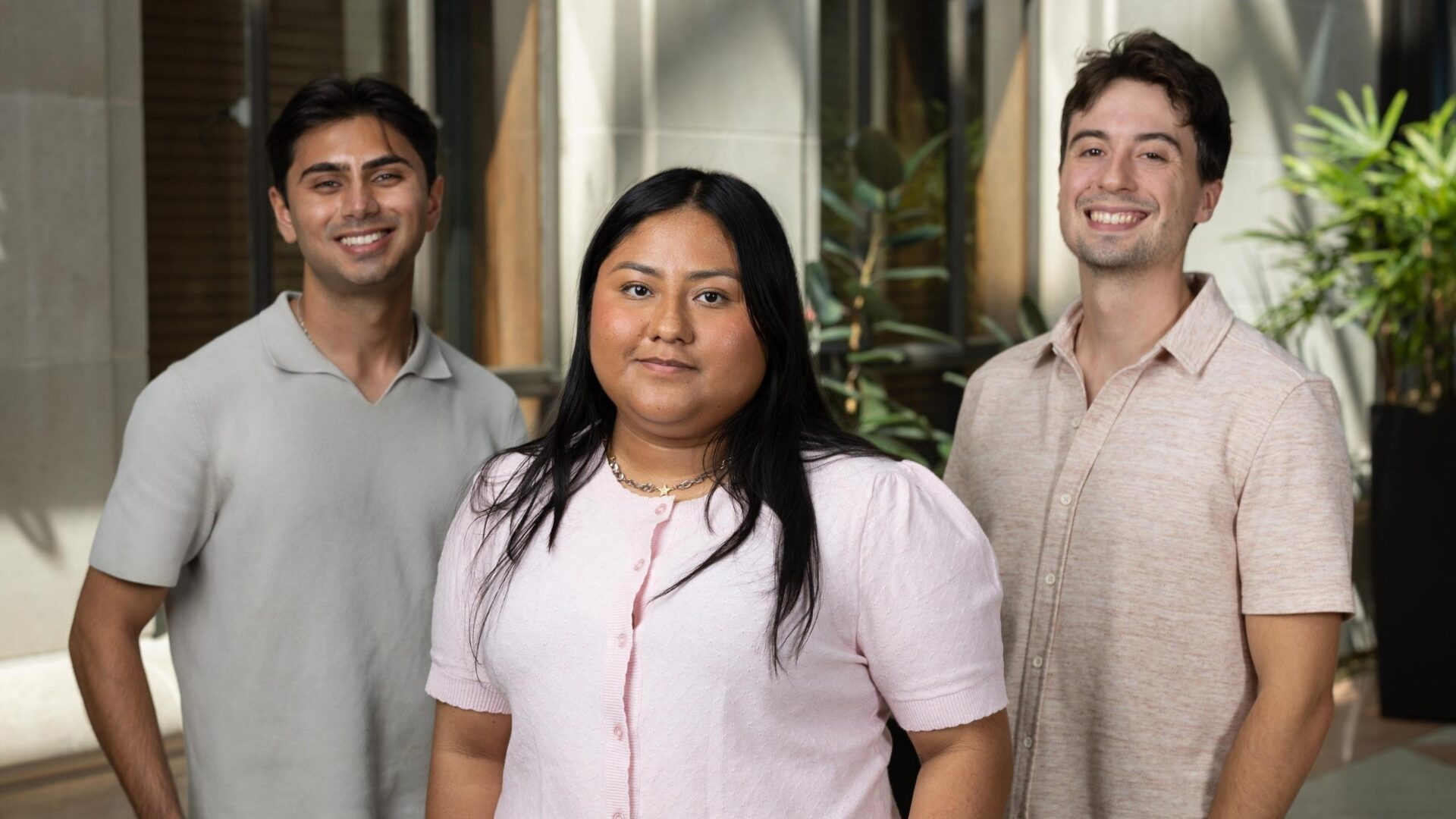
“Ali, Karina, and Luke come to Texas Law with a clear sense of the communities they hope to serve and the barriers they want to address,” says Nicole Simmons, director of the Justice Center. “We are delighted to welcome them to Texas Law’s public interest community and look forward to seeing how their experiences shape their law school journeys.”
All three have a demonstrated commitment to public service. As a group, they arrive with experience in government, community organizing, immigration advocacy, refugee services, and even public defense—and they all plan to build careers in public interest law.
“As the flagship public law school of Texas, public service is in our DNA,” says Dean Bobby Chesney. “Our commitment to students with a passion for public interest is second-to-none, and I’m deeply proud that we can offer these scholarships.”
Texas Law has a robust set of supports for public interest work, including the Summer Public Service Program—which, since launching in 2022, has invested more than $5 million in 822 public service and public interest summer jobs for students—and an expanded postgraduate fellowship program for public interest positions. In addition, the school has the most generous Loan Repayment Assistance Program of any top school.
Meet the Public Interest Scholars for the Class of 2029

Ali Arwani, Equal Justice Scholar
Ali Arwani earned his bachelor’s degree in politics from King’s College London in 2023. Through work in government and nonprofit organizations, he has served individuals and families facing displacement, violence, economic insecurity, and barriers to public services.
Arwani says he came to Texas Law to build the legal knowledge and skills needed to help people navigate systems that often feel inaccessible. “I am going to law school because I believe that developing legal fluency is central to my goal of helping vulnerable communities, who often need institutional protection the most, yet lack the power, knowledge, or access to navigate legal systems on their own,” he says.
He has worked as a committee aide in the Texas House of Representatives, an intern in the White House Office of Presidential Correspondence, and a refugee services intern with Catholic Charities of Dallas. At Texas Law, he plans to prepare for a legal career expanding access to justice for survivors of violence, immigrants, working families, and others facing barriers to legal protection.
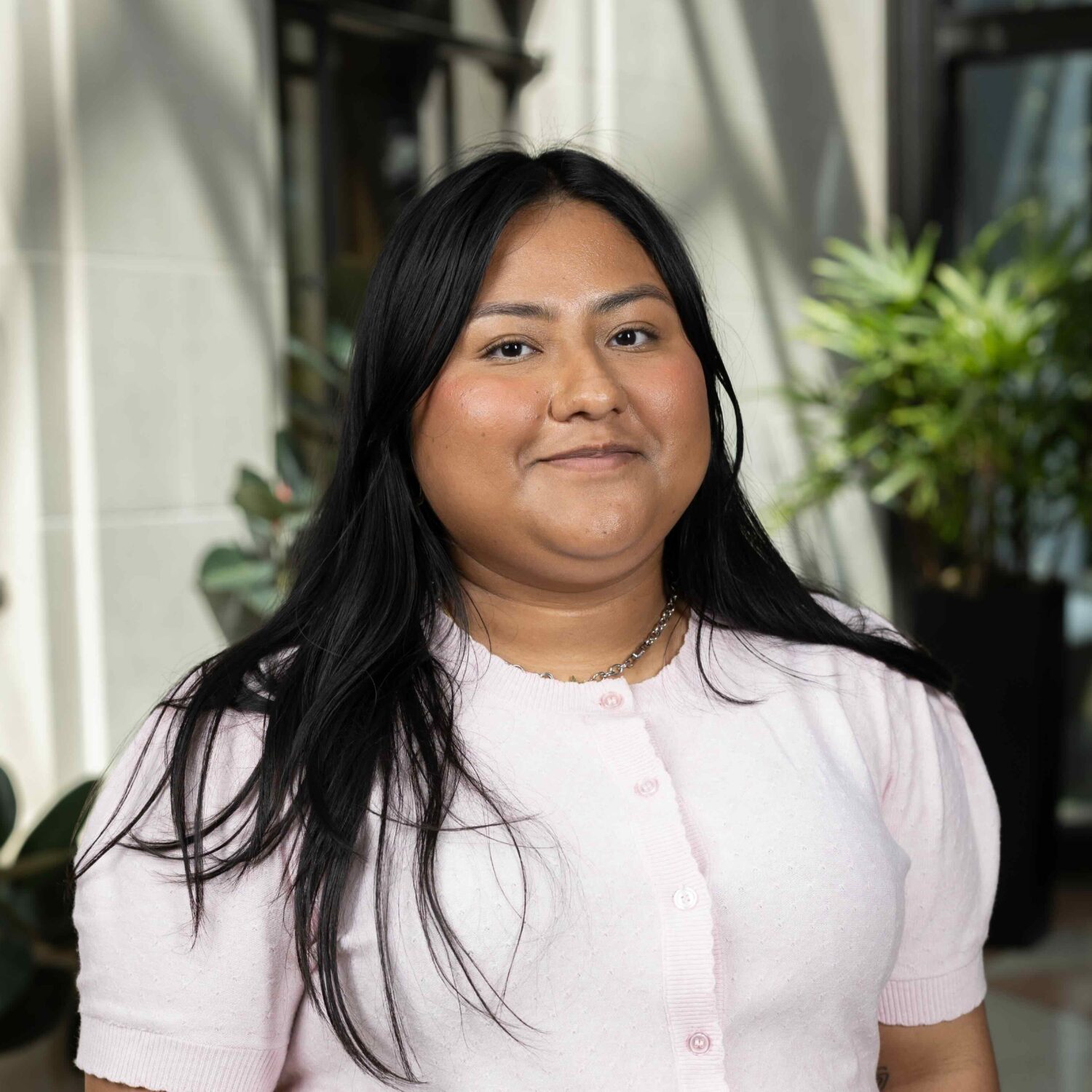
Karina Cavazos Gonzalez, G. Rollie White Public Service Scholar
Karina Cavazos Gonzalez traces her decision to attend law school to her upbringing in the Rio Grande Valley. “Growing up, I watched our immigration system shape the lives of my family and the neighbors around me,” she says. “These experiences have led me to Texas Law, where I hope to find a welcoming community that helps me grow into an equipped advocate for my community.”
Cavazos Gonzalez earned her bachelor’s degree from Rice University in 2022, where she studied political science and Spanish and Portuguese studies. She recently served as a digital organizer with United We Dream, developing national advocacy focused on immigration policy and immigrant rights.
That background and her organizing work have shaped her interest in the relationship between law, community power, and social change. She plans to pursue a career advancing immigrant justice through movement lawyering and community-based advocacy.
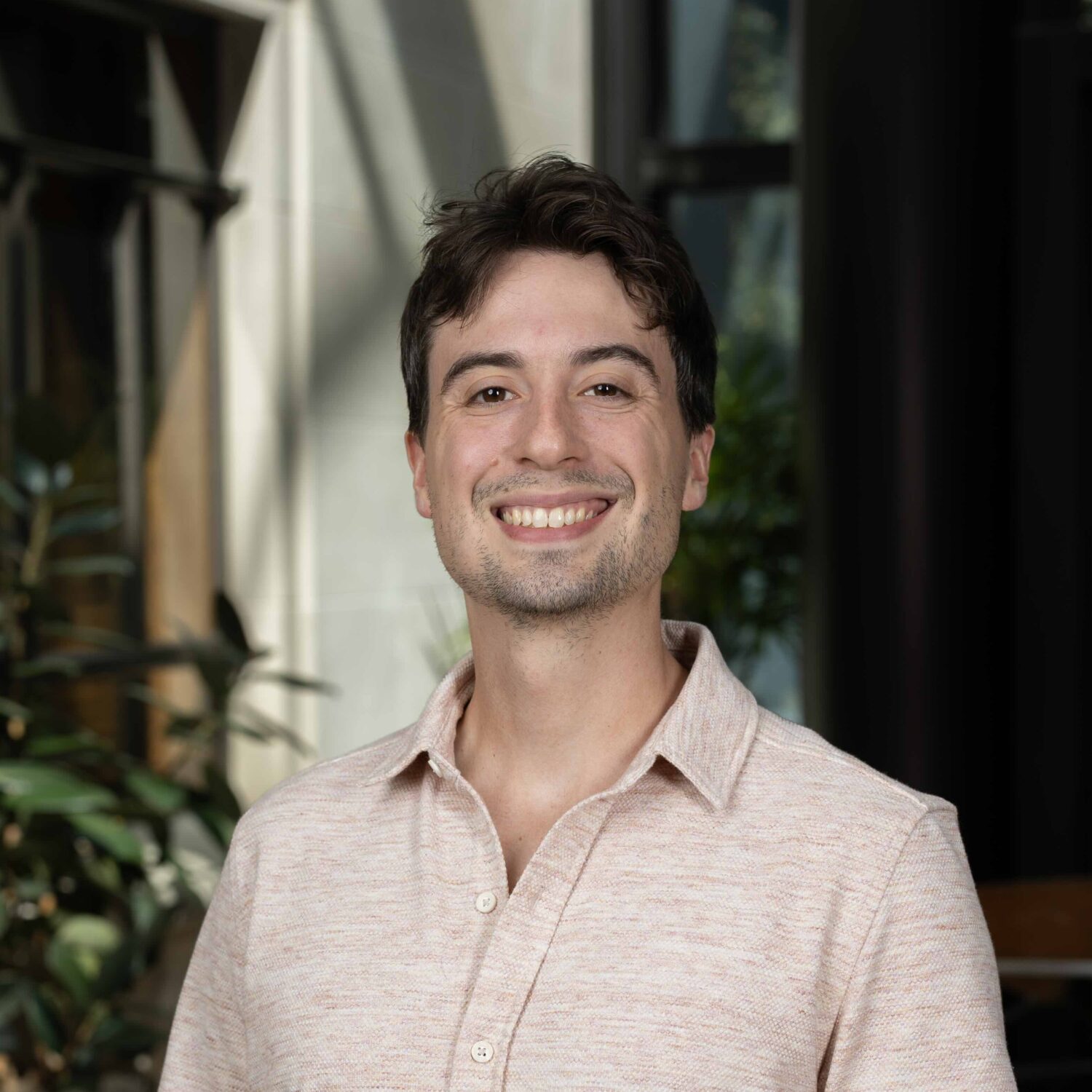
Luke Staffelbach, G. Rollie White Public Service Scholar
Luke Staffelbach’s interest in public interest law has been shaped by work with people navigating some of the legal system’s most immediate pressures. He earned his bachelor’s degree from Rhodes College in 2021, where he studied Latin American and Latinx studies and Spanish, and was a caseworker with the Travis County Public Defender’s Office, helping clients navigate homelessness, mental health challenges, and criminal legal proceedings.
Before that, he worked in refugee resettlement and immigration advocacy, experiences that strengthened his commitment to serving immigrant communities. He plans to pursue a legal career focused on immigration law and direct representation.
“Working directly with refugees, asylum seekers, and unhoused communities has transformed my view of our legal system,” he says. “I am excited to learn from professors and peers who are using their expertise to fight for legal outcomes that emphasize our shared humanity.”
Our commitment to students with a passion for public interest is second to none, and I’m deeply proud that we can offer these scholarships.
Dean Bobby Chesney
About Texas Law’s Public Interest Scholarships
The Equal Justice Scholarship was established in 2005 to help increase access to justice in Texas and is sponsored by the Justice Center. It covers full tuition and fees and is awarded to an entering student who commits to work for at least three years providing direct legal services to low-income individuals or groups.
The G. Rollie White Public Service Scholarship covers full tuition and fees and is awarded to an entering student who plans to pursue a legal career helping the underserved. The scholarship was made possible through the generous support of the G. Rollie White Trust.
“The G. Rollie White Trust’s sustained investment has opened doors for generations of students committed to public service,” Simmons says. “This support gives scholars like Karina and Luke greater freedom to pursue meaningful public interest experiences during law school and to build careers responding to the legal needs of communities in Texas and beyond.”
A version of this story originally appeared on the Justice Center website.